A Certificate of Analysis is the single most useful piece of paperwork a peptide buyer can ask for. It is also the piece of paperwork that sellers in this trade most commonly fudge. Here is what one actually contains, and what a good one looks like.
If you have read our piece on how to vet a UK peptide company, you will know that step one of the framework is finding a real test report. This piece sits underneath that step. Once you have a Certificate of Analysis in front of you, what should you be looking for? Where do you look first, and what should make you put the document straight back down?
What a Certificate of Analysis actually is
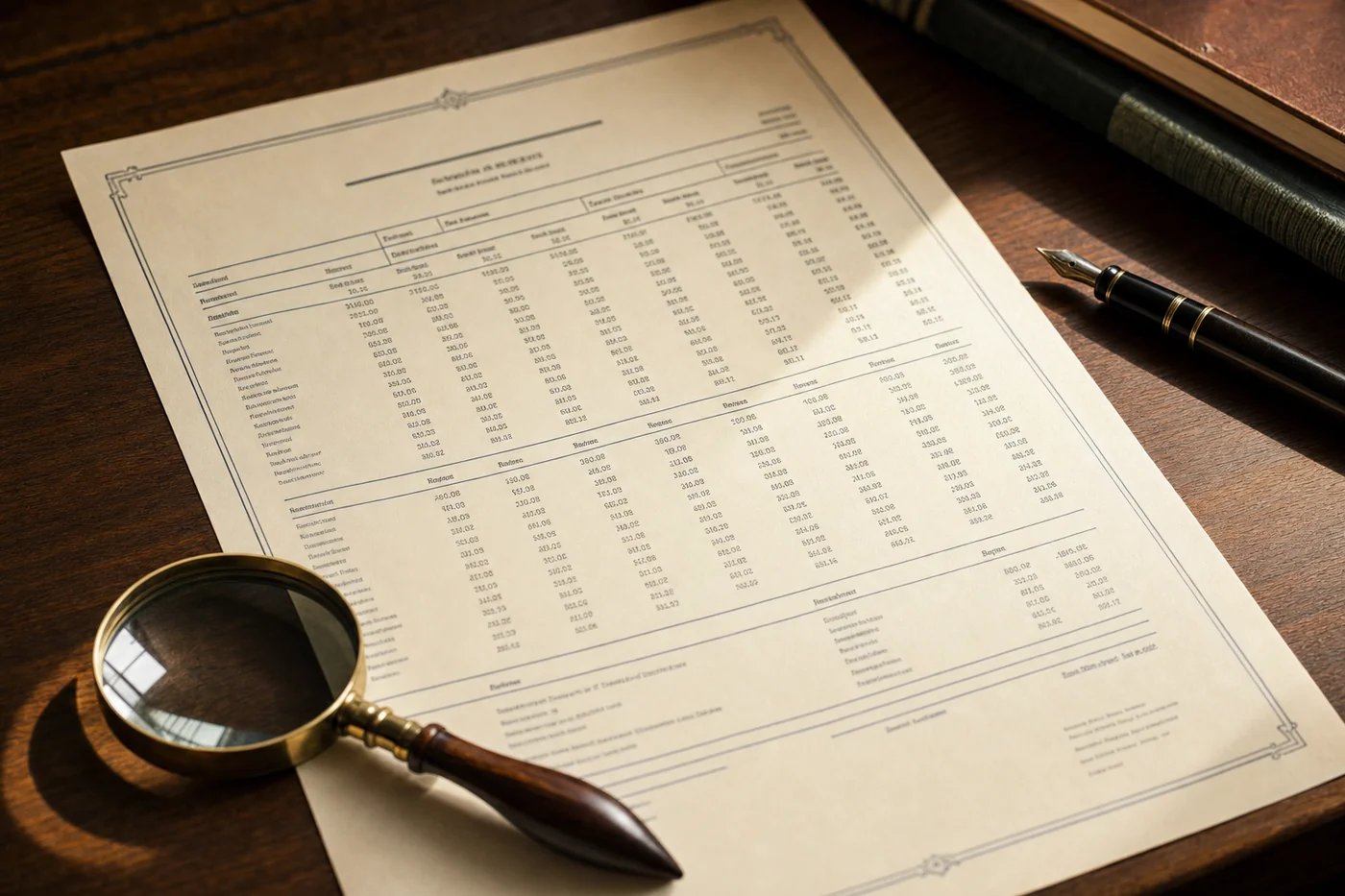
A Certificate of Analysis, often shortened to CoA, is a document issued by a laboratory after they have tested a specific batch of a substance. It is not a marketing brochure, it is not a quality assurance statement, and it is not a guarantee from the seller. It is a record of what a third party measured.
That distinction matters. Sellers can write whatever they like in their product descriptions. A laboratory operating to international standards cannot. The Certificate is the bit of paper that has been signed by someone who, in theory, is not commercially incentivised to lie about it.
The five things a real CoA will have on it
One. The laboratory's name and contact details. Not the seller's name, the laboratory's. A Certificate that does not name the testing facility is not a Certificate, it is a printed claim. The lab should be findable on the internet, ideally with a physical address you could verify.
Two. A batch number that matches the bottle. The whole point of a Certificate is to tell you about the specific run of material the bottle in your hand came from. If the batch number on the bottle does not appear on the Certificate, the document is for some other batch, and tells you nothing about what you have actually bought.
Three. A date. The date the test was performed should be on the document. Tests from more than twelve months ago, for batches still in circulation, raise reasonable questions about whether the same material is still being sold.
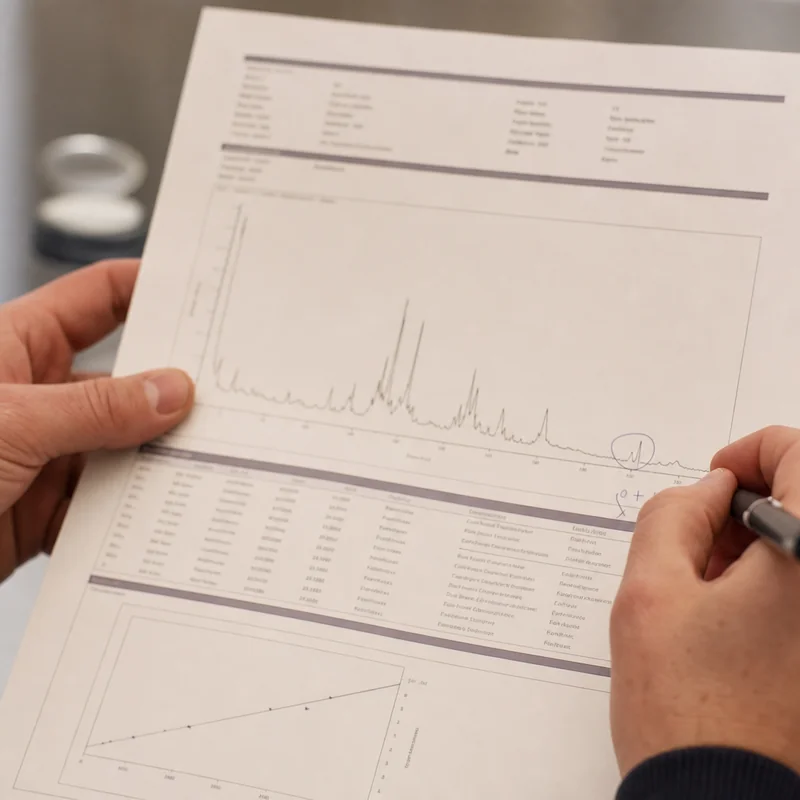
Four. The methodology. Most peptide CoAs will reference High Performance Liquid Chromatography (HPLC) for purity, and Mass Spectrometry for identity. Both are standard. A document that simply says "tested" without naming the method is not really a test report at all.
Five. A signature, a stamp, or a verification code. Modern test reports often include a unique code that lets you check the result on the laboratory's own website. Older reports may have a wet signature or a stamp from the lab. Either is fine. Neither, on a document that purports to be analytical, is not.
The red flags
A few patterns recur in the bad Certificates we have seen.
The reused PDF, where one Certificate appears against multiple products with only the product name changed. The batch number and date stay the same. The structure is identical. These are easy to spot once you start comparing across a seller's range.
The unnamed lab, where the report has a generic letterhead, no contact details, and no signature. The structure looks right but no human is willing to put their name to the work.
The mismatched lot number, where the batch on the Certificate does not match the batch on the product. Sometimes accidental, sometimes not. Always worth asking about.
The Certificate that arrives only after the order is placed, despite being requested before. A seller confident in their paperwork is confident in showing it before the sale. A seller who needs you to commit before they show their working is telling you something.
How to verify a CoA yourself
Once you have the document, two checks take less than ten minutes.
First, look up the named laboratory. They should have a website, a postal address, and, if they hold accreditation, a public certificate from a national body like UKAS. We cover what that means in our piece on ISO 17025 and UKAS.
Second, if the document carries a verification code, type it into the lab's verification page. The result either matches the document, or it does not. A few labs operating in this space have made this their explicit selling point. It is a meaningful one.
What to do if the seller cannot produce one
Walk away. The first five suppliers we wrote about in our 2026 comparison showed wide variation on this single criterion. Some publish per-batch certificates from a named third-party lab on their public site. Some send a Certificate after you place an order, but for last quarter's batch. Some send nothing and tell you to trust them.
The Certificate is the bit of evidence that, more than any other single thing on a peptide site, separates the operators that have done the work from the ones that have not. It is the difference between a supplier and a shopfront, and it costs nothing to ask for.